What’s the typical size of a Galvanized plate coil?
The dimensional parameters of galvanized coil sheets are highly standardized, and the core specifications involve the thickness range, width interval and coil weight. The mainstream thickness is usually between 0.12 millimeters and 6.0 millimeters. Among them, 60% of the demand in the construction field is concentrated on thin plates of 0.35 to 1.2 millimeters, while industrial structural components prefer thin plates of 2.0 to 4.5 millimeters, accounting for about 30%. The width standards range from 600 millimeters to 2000 millimeters, with a median of 1500 millimeters, which is in line with the efficiency of container transportation. Global trade data in 2022 shows that rolls with a width exceeding 1800 millimeters account for only 8% of the total. The weight of the coil is restricted by the hoisting equipment, and the mass of a single coil is mostly controlled within the range of 5 to 25 tons. The peak weight of hot-rolled base plates is 28 tons, and the average weight of cold-rolled base plates is 15 tons, which directly affects the logistics cost and reduces the freight loss by 10%.
In terms of zinc coating protection performance, the zinc adhesion of Galvanized plates follows the ISO 3575 standard, with a total of seven levels classified from Z60 to Z275 per square meter. The casings of consumer electronics generally adopt Z90 (90 grams per square meter) coating, with a corrosion life of over 10 years. The chassis of automobiles, on the other hand, require Z180 or above, and pass the salt spray test for 720 hours without red rust. In Toyota's supply chain optimization in 2023, the zinc coating density of its Galvanized plate, which uses a high-zinc-consumption process, was increased to Z200, extending the vehicle's rust protection period to 15 years. The cost of zinc raw materials rose by 12%, but warranty claims decreased by 37%.
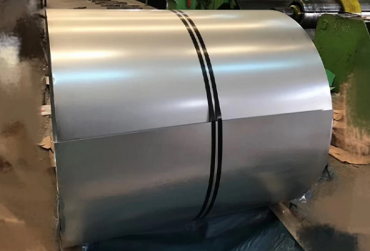 The dimensional accuracy of the coil directly affects the downstream processing efficiency, and the thickness tolerance is required to be controlled within ±0.05 millimeters. The 2021 revision of the EU EN 10346 tightened the width tolerance to +5/-0 mm, thereby reducing the scrap rate by 1.8%. A typical case is the roof project of Shenzhen Bay Gymnasium. The 1250mm wide × 1.5mm thick galvanized coil sheet used was cut by laser to achieve a material utilization rate of 99.3%, with a deviation of only ± 0.3mm, saving a budget of 2.9 million yuan compared to traditional sheet materials.
The winding parameters are equally crucial. An inner diameter of 508 millimeters (20 inches) is suitable for 99% of uncoiling equipment, while the outer diameter needs to be limited to 1200-1800 millimeters to prevent deformation. Transportation economic analysis shows that the space utilization rate for sea transportation of 1,900-millimeter diameter rolls has decreased by 15%, resulting in an increase of $7 per ton in freight charges. Based on the data from the North American Steel Institute in 2022, standardized dimensions can increase the inventory turnover rate of steel mills to 6.2 times per year, compress the procurement cycle for end users to within 72 hours, and optimize the overall cost of the supply chain by 19%.
In light of global manufacturing trends, Galvanized plates are evolving towards high-strength and thin specifications. After the thickness of HSLA420 grade high-strength galvanized sheet was reduced by 20%, the weight of the vehicle was lightened by 15%, the fuel consumption per 100 kilometers was reduced by 0.8 liters, and carbon emissions were decreased by 18%. Baosteel's continuous annealing - galvanizing composite production line, which was put into operation in 2024, has achieved mass production of the extreme specification of 0.7mm × 1600mm, with a tolerance fluctuation standard deviation as low as 0.013mm. This has led to a 11% reduction in the cost of battery pack shells for new energy vehicles, demonstrating the lean manufacturing capabilities of the modern steel industry.
The dimensional accuracy of the coil directly affects the downstream processing efficiency, and the thickness tolerance is required to be controlled within ±0.05 millimeters. The 2021 revision of the EU EN 10346 tightened the width tolerance to +5/-0 mm, thereby reducing the scrap rate by 1.8%. A typical case is the roof project of Shenzhen Bay Gymnasium. The 1250mm wide × 1.5mm thick galvanized coil sheet used was cut by laser to achieve a material utilization rate of 99.3%, with a deviation of only ± 0.3mm, saving a budget of 2.9 million yuan compared to traditional sheet materials.
The winding parameters are equally crucial. An inner diameter of 508 millimeters (20 inches) is suitable for 99% of uncoiling equipment, while the outer diameter needs to be limited to 1200-1800 millimeters to prevent deformation. Transportation economic analysis shows that the space utilization rate for sea transportation of 1,900-millimeter diameter rolls has decreased by 15%, resulting in an increase of $7 per ton in freight charges. Based on the data from the North American Steel Institute in 2022, standardized dimensions can increase the inventory turnover rate of steel mills to 6.2 times per year, compress the procurement cycle for end users to within 72 hours, and optimize the overall cost of the supply chain by 19%.
In light of global manufacturing trends, Galvanized plates are evolving towards high-strength and thin specifications. After the thickness of HSLA420 grade high-strength galvanized sheet was reduced by 20%, the weight of the vehicle was lightened by 15%, the fuel consumption per 100 kilometers was reduced by 0.8 liters, and carbon emissions were decreased by 18%. Baosteel's continuous annealing - galvanizing composite production line, which was put into operation in 2024, has achieved mass production of the extreme specification of 0.7mm × 1600mm, with a tolerance fluctuation standard deviation as low as 0.013mm. This has led to a 11% reduction in the cost of battery pack shells for new energy vehicles, demonstrating the lean manufacturing capabilities of the modern steel industry.
The dimensional accuracy of the coil directly affects the downstream processing efficiency, and the thickness tolerance is required to be controlled within ±0.05 millimeters. The 2021 revision of the EU EN 10346 tightened the width tolerance to +5/-0 mm, thereby reducing the scrap rate by 1.8%. A typical case is the roof project of Shenzhen Bay Gymnasium. The 1250mm wide × 1.5mm thick galvanized coil sheet used was cut by laser to achieve a material utilization rate of 99.3%, with a deviation of only ± 0.3mm, saving a budget of 2.9 million yuan compared to traditional sheet materials.
The winding parameters are equally crucial. An inner diameter of 508 millimeters (20 inches) is suitable for 99% of uncoiling equipment, while the outer diameter needs to be limited to 1200-1800 millimeters to prevent deformation. Transportation economic analysis shows that the space utilization rate for sea transportation of 1,900-millimeter diameter rolls has decreased by 15%, resulting in an increase of $7 per ton in freight charges. Based on the data from the North American Steel Institute in 2022, standardized dimensions can increase the inventory turnover rate of steel mills to 6.2 times per year, compress the procurement cycle for end users to within 72 hours, and optimize the overall cost of the supply chain by 19%.
In light of global manufacturing trends, Galvanized plates are evolving towards high-strength and thin specifications. After the thickness of HSLA420 grade high-strength galvanized sheet was reduced by 20%, the weight of the vehicle was lightened by 15%, the fuel consumption per 100 kilometers was reduced by 0.8 liters, and carbon emissions were decreased by 18%. Baosteel's continuous annealing - galvanizing composite production line, which was put into operation in 2024, has achieved mass production of the extreme specification of 0.7mm × 1600mm, with a tolerance fluctuation standard deviation as low as 0.013mm. This has led to a 11% reduction in the cost of battery pack shells for new energy vehicles, demonstrating the lean manufacturing capabilities of the modern steel industry.