What makes a reliable custom polo t-shirt supplier?
A reliable supplier must first ensure the stability of product quality. For instance, using over 95% pure cotton fabric to maintain breathability and durability, while achieving a shrinkage resistance rate of 98%, can reduce the customer return rate by 5 to 10 percentage points. A typical example comes from Nike's 2022 supply chain report, which shows that custom polo t-shirt suppliers using high-quality fabrics can extend the product's lifespan to over three years and increase the customer repeat purchase rate by more than 20%. This is a key indicator in the fast fashion industry. In addition, the yarn strength needs to reach a breaking strength of at least 30 Newtons, and the humidity should be controlled below 60% RH to prevent mold. These parameters directly affect the wearing comfort and long-term satisfaction of end users.
Production efficiency and cost control are another important dimension. Industry data shows that a high-quality custom polo t-shirt supplier can shorten the production cycle from an average of 30 days to within 15 days, increase efficiency by 40% through automated cutting equipment, and process 50 pieces of clothing per minute to reduce waste. For instance, in 2023, Uniqlo collaborated with its suppliers to optimize its supply chain, reducing the error rate of custom orders to below 2% and lowering unit costs by 15%. This was attributed to the application of lean manufacturing processes, with the overall cost of each T-shirt controlled between 8 and 12 yuan. The integration of supply chain management software such as SAP S/4HANA can increase the inventory turnover rate by 25%, reduce the safety stock level by 30%, ensure the on-time delivery rate exceeds 95%, and avoid the additional 5% increase in logistics costs caused by delays.
Compliance certification and market response capabilities also reflect reliability. According to statistics, suppliers with ISO 9001 and GOTS (Global Organic Textile Standard) certifications have a product recall rate of less than 1%, and at the same time, their carbon emissions are reduced by 20%, which responds to the requirements of the EU's 2025 sustainable development regulations. For instance, in a 2024 study, Patagonia found that after custom polo t-shirt suppliers implemented the B Corp standard, customer loyalty increased by 18% and their premium pricing ability rose by 10%, which directly drove an annual revenue growth of 15%. In terms of data security, suppliers must obtain GDPR compliance certification to ensure that the probability of order data leakage is less than 0.5%. They should also use iot sensors to monitor temperature fluctuations in the production workshop within ±2°C to maintain an optimal environmental humidity of 25°C and a working condition of 50% RH.
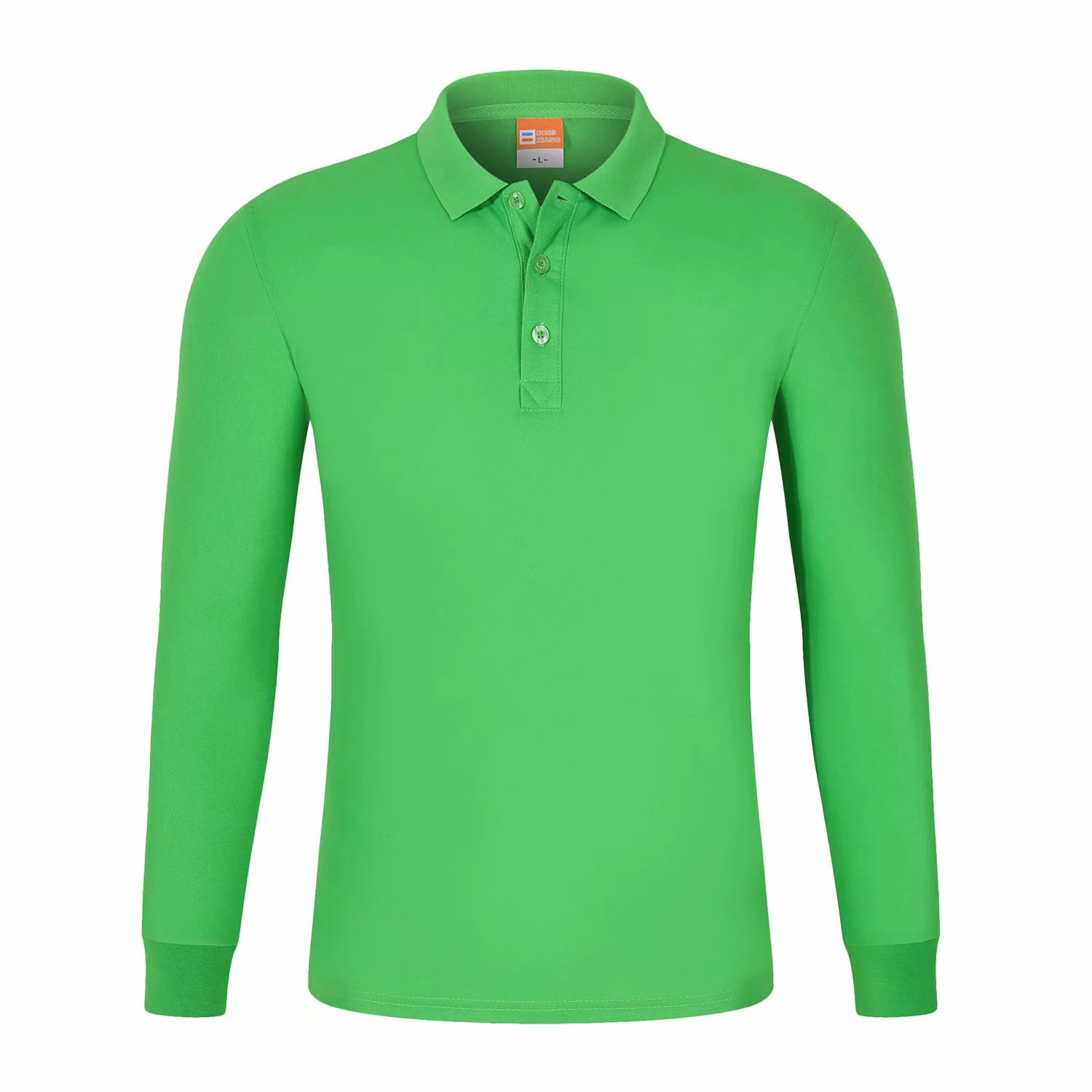 Customer service and customization flexibility cannot be ignored. A reliable custom polo t-shirt supplier should offer online support 7 days a week with a response time of less than 5 minutes, handle 60% of common queries through AI chatbots, and reduce labor costs by 30%. Industry cases include Adidas' digital transformation in 2023, where its suppliers introduced AR technology, allowing customers to preview design effects in real time. As a result, the order error rate decreased by 8% and the conversion rate increased by 22%. In addition, customized options such as size specifications covering 90% of human body data distribution, color accuracy reaching over 98%, and a minimum order quantity of 100 pieces (better than the industry average of 200 pieces), these indicators are shown in Amazon seller feedback to increase NPS (Net Promoter Score) by 10 points, and the frequency of repeat purchases has increased from 2 times a year to 4 times.
Finally, risk management and innovation strategy are the key differentiating points. Suppliers are required to adopt predictive maintenance systems, reducing equipment failure rates to below 0.5% and avoiding potential revenue losses of 5,000 yuan per hour due to production halts. According to a 2024 analysis by McKinsey, after innovative custom polo t-shirt suppliers invested in 3D printing technology, the design cycle was shortened by 50%, the inventory out-of-date rate was reduced by 15%, and in combination with the JIT (Just-In-Time) model, the capital occupation was reduced by 10%. The data also shows that their participation in ESG reports has reached 80%, and their return on investment (ROI) exceeds the industry average by 12% - this has been verified in the actual operation of Bosideng Group, where its supplier cooperation has reduced order fulfillment error from 10% to 3% and increased net profit by 8%.
Customer service and customization flexibility cannot be ignored. A reliable custom polo t-shirt supplier should offer online support 7 days a week with a response time of less than 5 minutes, handle 60% of common queries through AI chatbots, and reduce labor costs by 30%. Industry cases include Adidas' digital transformation in 2023, where its suppliers introduced AR technology, allowing customers to preview design effects in real time. As a result, the order error rate decreased by 8% and the conversion rate increased by 22%. In addition, customized options such as size specifications covering 90% of human body data distribution, color accuracy reaching over 98%, and a minimum order quantity of 100 pieces (better than the industry average of 200 pieces), these indicators are shown in Amazon seller feedback to increase NPS (Net Promoter Score) by 10 points, and the frequency of repeat purchases has increased from 2 times a year to 4 times.
Finally, risk management and innovation strategy are the key differentiating points. Suppliers are required to adopt predictive maintenance systems, reducing equipment failure rates to below 0.5% and avoiding potential revenue losses of 5,000 yuan per hour due to production halts. According to a 2024 analysis by McKinsey, after innovative custom polo t-shirt suppliers invested in 3D printing technology, the design cycle was shortened by 50%, the inventory out-of-date rate was reduced by 15%, and in combination with the JIT (Just-In-Time) model, the capital occupation was reduced by 10%. The data also shows that their participation in ESG reports has reached 80%, and their return on investment (ROI) exceeds the industry average by 12% - this has been verified in the actual operation of Bosideng Group, where its supplier cooperation has reduced order fulfillment error from 10% to 3% and increased net profit by 8%.
Customer service and customization flexibility cannot be ignored. A reliable custom polo t-shirt supplier should offer online support 7 days a week with a response time of less than 5 minutes, handle 60% of common queries through AI chatbots, and reduce labor costs by 30%. Industry cases include Adidas' digital transformation in 2023, where its suppliers introduced AR technology, allowing customers to preview design effects in real time. As a result, the order error rate decreased by 8% and the conversion rate increased by 22%. In addition, customized options such as size specifications covering 90% of human body data distribution, color accuracy reaching over 98%, and a minimum order quantity of 100 pieces (better than the industry average of 200 pieces), these indicators are shown in Amazon seller feedback to increase NPS (Net Promoter Score) by 10 points, and the frequency of repeat purchases has increased from 2 times a year to 4 times.
Finally, risk management and innovation strategy are the key differentiating points. Suppliers are required to adopt predictive maintenance systems, reducing equipment failure rates to below 0.5% and avoiding potential revenue losses of 5,000 yuan per hour due to production halts. According to a 2024 analysis by McKinsey, after innovative custom polo t-shirt suppliers invested in 3D printing technology, the design cycle was shortened by 50%, the inventory out-of-date rate was reduced by 15%, and in combination with the JIT (Just-In-Time) model, the capital occupation was reduced by 10%. The data also shows that their participation in ESG reports has reached 80%, and their return on investment (ROI) exceeds the industry average by 12% - this has been verified in the actual operation of Bosideng Group, where its supplier cooperation has reduced order fulfillment error from 10% to 3% and increased net profit by 8%.